

What Is Asset Allocation? A Guide to Building a Balanced Portfolio
Asset allocation is the planned distribution of an investment portfolio among different investment instruments and asset classes. The goal is not only return but also risk management.
Why is it Important?
It is impossible to know with certainty in advance which investment instrument will perform best in financial markets. Diversifying investments can prevent the portfolio from becoming dependent on a single economic scenario.
Asset Classes
Stocks
Mutual funds
Gold and precious metals
Subscription certificates
Money market instruments
Foreign currency investments
Risks of Investing in a Single Asset
Investing solely in gold, solely in stocks, or solely in foreign currency can increase certain risks. Therefore, creating a balanced portfolio offers a healthier approach in the long run.
Relationship with Risk
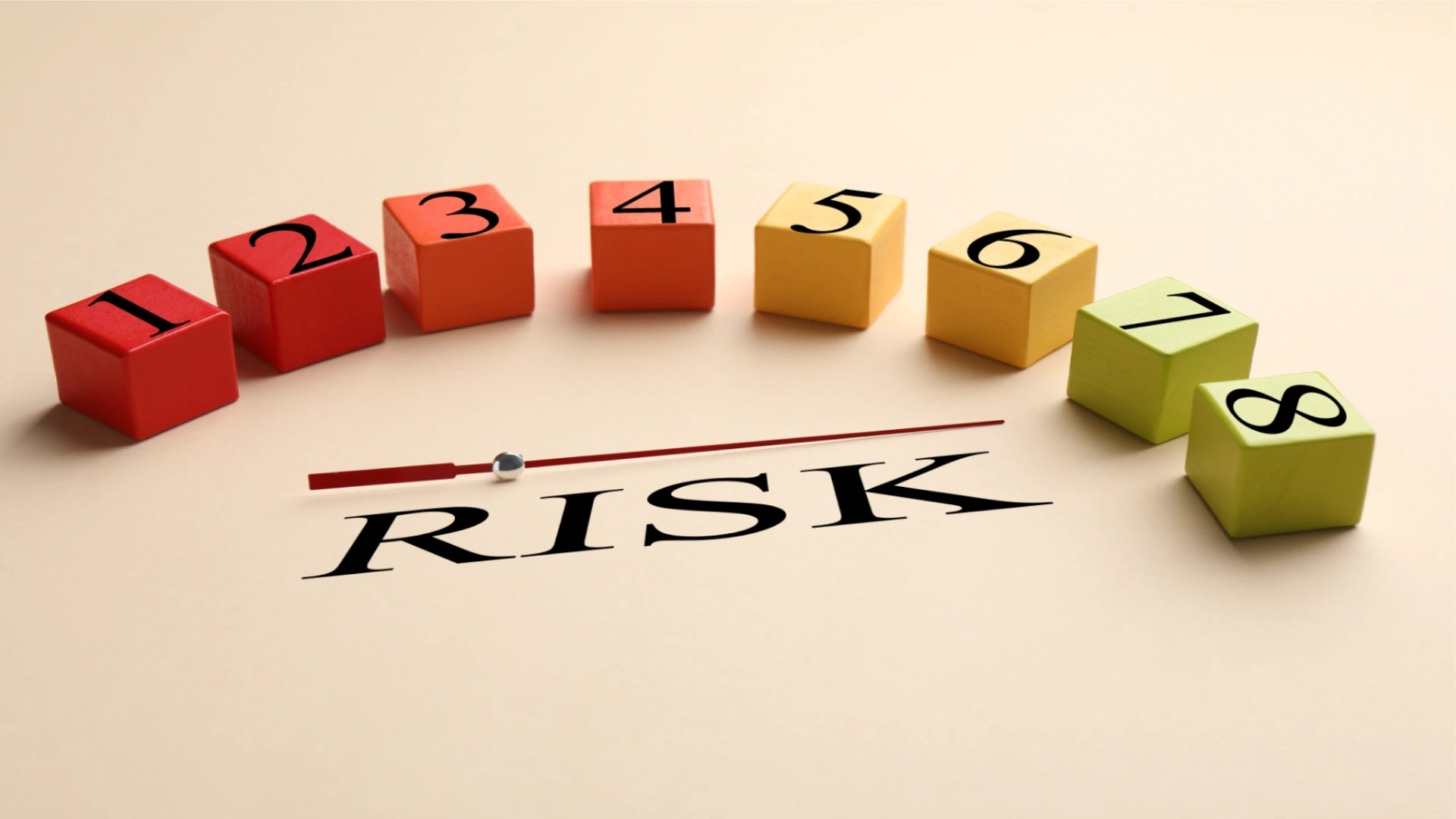
Asset allocation is one of the most important tools of risk management. Investors need to evaluate investments within the framework of the risk and return relationship.
Investment Period and Risk Profile
For short-term goals, instruments with lower volatility may be preferred. For long-term goals, structures that tolerate higher volatility can be established. The determining factor here is the investor's risk profile.
The Role of Mutual Funds
Mutual funds can offer the advantage of professional management and diversification. Alternatives, especially participation funds, can provide access to a wider investment universe with a single transaction.
Common Mistakes
Focusing on the winner of the recent period
Making emotional decisions
Not regularly reviewing the portfolio
Concentrating all capital in one place
Frequently Asked Questions
Are asset allocation and diversification the same thing?
Although they are closely related concepts, asset allocation represents a broader and more strategic approach.
Does asset allocation completely eliminate risk?
No. However, it can help manage risks in a more balanced way.
Conclusion
A well-planned asset allocation strategy can be one of the fundamental building blocks of a long-term investment journey. When making investment decisions, goals, duration, and risk profile should be considered together.
To create a portfolio structure that suits your investment goals and risk profile, you can review our funds or contact our expert team.