

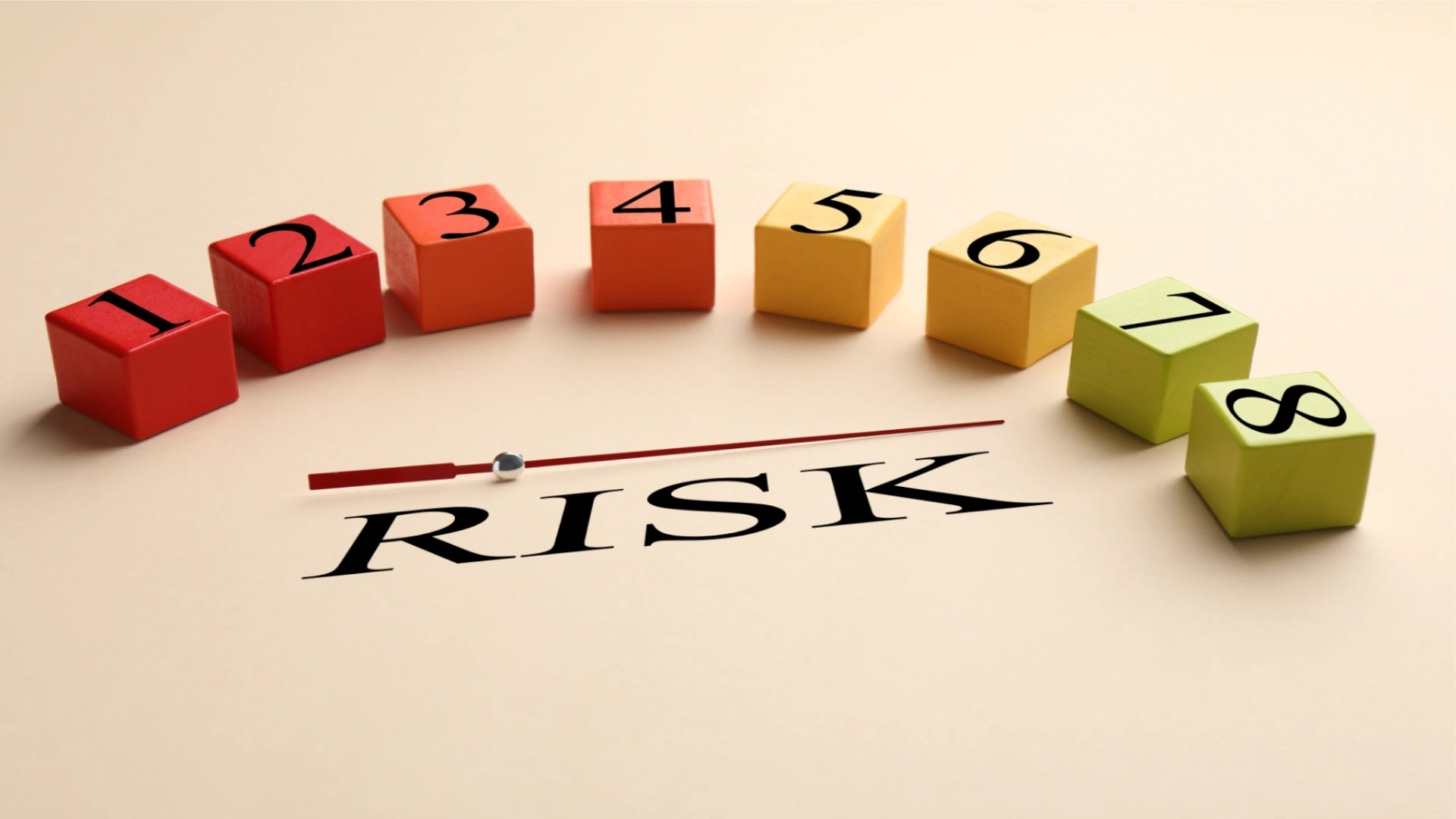
Understanding the Risk-Return Relationship
What is Risk?
Risk is the possibility that an investment will not yield the expected result or that the investor will suffer a loss. However, risk is not just about losing money; it also includes the failure to achieve the expected return or a decrease in purchasing power.
What is Return?
Return can manifest as capital gains, dividends, fund performance improvements, or earnings from lease certificates. What matters is not just high returns, but the level of risk at which those returns are achieved.
Why is the Relationship Between Risk and Return Important?
In financial markets, lower risk generally offers more limited return potential, while higher return expectations may bring with them a higher level of risk. However, taking high risks does not automatically guarantee high returns. Therefore, the goal is to determine a risk level that is consistent with investment objectives.
Types of Risk
Market risk
Inflation risk
Liquidity risk
Currency risk
Sector risk
What is Risk Tolerance?
Every investor has a different risk perception. Factors such as age, income level, financial goals, investment duration, liquidity needs, and psychological resilience affect risk tolerance. Investors should determine a strategy that suits their own risk profile.
How to Manage Risk?
Asset Allocation
One of the most important tools of risk management is the asset allocation approach. Investing in different asset classes can prevent the portfolio from becoming dependent on a single instrument.
Diversification
Diversifying across different sectors, instruments, and markets helps balance risks and makes it easier to build a more balanced portfolio structure.
Long-Term Perspective
Short-term fluctuations can be misleading. A long-term investment plan helps prevent emotional decisions.
Common Mistakes Investors Make
Focusing solely on returns
Investing inconsistently with one's risk profile
Making panic decisions
Concentrating on a single investment instrument
The Role of Mutual Funds
Mutual funds can help investors manage risks more effectively by providing professional management and diversification advantages. Participation funds, in particular, can be evaluated according to different risk profiles.
Frequently Asked Questions
Is it possible to achieve high returns without risk?
The expectation of high returns in financial markets generally involves a certain level of risk.
Does diversification eliminate all risks?
No. Diversification can help reduce risks, but it does not eliminate them completely.
Conclusion
Successful investment decisions require an approach that understands and manages risks, not just focuses on profit. Evaluating the balance between risk and return in conjunction with your goals, investment duration, and risk tolerance leads to healthier results.
To determine the appropriate risk level for your investment goals and to evaluate solutions tailored to your needs, you can contact our expert team or review our funds.